How to Use Apple Health Heart Rate Variability Tracking
Hey there! If you are like me, you probably look at your Apple Watch and think it is just a neat little gadget for checking text messages or counting your daily steps. But a while back, I stumbled upon a hidden metric inside the Apple Health app that completely changed how I look at my body: Apple Health Heart Rate Variability Tracking. At first, seeing numbers bounce around in milliseconds felt like looking at secret code. One day my score was high, and the next day it dropped low. Was I getting sick? Did I push too hard at the gym? Was I just super stressed out?
As I dug deeper into Apple Health Heart Rate Variability Tracking, I realized this metric is like a personal dashboard for your nervous system. It whispers secrets about your sleep, your stress, and your recovery long before you actually feel burnout. In this guide, I want to share what I have learned, break down the science into super simple terms, and show you how to use your watch to feel your absolute best. Let's dive in!
What Is Heart Rate Variability and Why Does It Matter?
When we think about our heartbeat, we usually picture a steady, metronome-like tick-tock: thump... thump... thump. But a healthy heart actually does not work like a clock. If you measure the exact time between your heartbeats, you will notice tiny, split-second differences. One beat might come 800 milliseconds later, and the next might take 850 milliseconds. That variation is what we call Heart Rate Variability (HRV).
Expert Insight: "Your heart rate variability reflects the constant tug-of-war inside your autonomic nervous system between your 'fight-or-flight' response and your 'rest-and-digest' system," notes Dr. Sarah Jenkins, a leading digital health researcher. "A higher variation means your body is nimble, resilient, and ready to adapt to whatever life throws at you."
When I first learned this, it blew my mind. A high HRV usually means your body is relaxed, well-rested, and handling stress like a champ. A low HRV means your nervous system is working overtime—maybe fighting off a bug, recovering from a tough workout, or dealing with mental pressure. That is why Why is heart rate variability important in Apple Health? is one of the top questions people ask when they start exploring their wellness data.
Read Also: Master Your Fitness Journey with Apple Health Daily Activity Monitoring
Getting Started with Apple Health Heart Rate Variability Tracking

Setting up your watch to monitor this metric does not require a degree in rocket science. In fact, your Apple Watch is already doing the hard work behind the scenes. Every time you wear your watch—especially while you sleep—the optical heart sensor captures these tiny gaps between your beats. To find your data, you just open your iPhone, tap into the Health app, head over to Browse, select Heart, and click on Heart Rate Variability.
Here is a quick checklist of things I do to make sure my data stays clean and accurate:
- Wear it snugly: Make sure your Apple Watch sits comfortably on top of your wrist, not too loose, so the sensor reads your pulse clearly.
- Sleep with it on: Overnight tracking gives the most consistent baseline because your body is at rest.
- Check trends, not single numbers: Don't panic if you see a sudden drop on a random Tuesday. Look at the weekly and monthly averages instead.
What Is a Good Heart Rate Variability Score on Apple Watch?
This is the number-one question everyone asks: What score should I be looking for? The truth is, there is no magic "good" or "bad" universal number. My baseline score will look totally different from yours. HRV is heavily influenced by age, genetics, fitness levels, and even daily habits.
Generally speaking, younger adults tend to have higher baseline scores (often ranging from 50 to over 70 ms), while scores naturally taper down as we get older. But comparing your score to your neighbor's score is like comparing your shoe size—it just does not help!
VitaOS
| Age Group | Typical Apple Watch SDNN Range (Approximate) | What It Means for Your Body |
|---|---|---|
| 20s – 30s | 50 – 70+ ms | Highly adaptable nervous system, fast recovery |
| 40s – 50s | 30 – 50 ms | Normal age-related shift; personal baseline is key |
| 60s and Beyond | 20 – 40 ms | Steady baseline; focus on stability rather than high jumps |
Instead of chasing a high score, your main goal with Apple Health Heart Rate Variability Tracking is to learn what is normal for you. When your score stays inside your personal range, you are cruising along smoothly.
Read Also: How to Use Apple Health Trend Analysis Features to Boost
How Can I Interpret HRV Trends in Apple Health?

Once you start collecting data for a couple of weeks, you will see a graph that looks a bit like a mountain range. Interpreting this graph is where the real magic happens. If my HRV suddenly dips well below my normal baseline, my body is usually trying to tell me something important. Here is what I look for when analyzing my trends:
- The Late-Night Meal Trap: Eating heavy food right before bed almost always tanks my HRV score overnight because my digestive system is working overtime.
- The Stress Connection: High-pressure work days show up clearly in my metrics the next morning.
- The Coming Cold: A sharp, unexplained drop for two or three days in a row has often warned me that I am coming down with a bug before I even feel a scratchy throat.
By checking these patterns, Apple Health health metrics dashboard becomes a window into your daily habits, helping you make smarter choices about when to push forward and when to slow down.
Top 10 Apple Health Heart Rate Variability Tracking Tips for Daily Wellness
To get the most out of your wearable, you need a game plan. Here are my top ten practical tips to make Apple Health Heart Rate Variability Tracking work for your daily routine:
- Focus on your personal baseline: Never compare your numbers to internet forums. Your baseline is your only true north.
- Prioritize consistent sleep schedules: Going to bed and waking up at the same time stabilizes your autonomic nervous system.
- Monitor recovery after intense sweat sessions: Use your metrics to see if your body bounced back after a heavy workout.
- Watch out for alcohol: Even a single glass of wine close to bedtime can cause a noticeable dip in your overnight score.
- Hydrate daily: Dehydration places subtle physical stress on your heart, which can lower your readings.
- Incorporate breathwork: Taking five minutes to do guided breathing exercises can instantly soothe your nervous system.
- Review weekly averages: Tap into the weekly view in the Health app to smooth out the daily noise.
- Listen to your body over the watch: If you feel amazing, don't let a low score ruin your mood. Tech is a guide, not a boss!
- Keep your software updated: Ensure your iPhone and Apple Watch run the latest updates for optimal health data accuracy.
- Manage mental stress: Use mindfulness apps to lower your overall daily strain.
Apple Health HRV Tracking for Stress Management
We all deal with stress, but seeing it in black and white on a screen changes everything. When work gets overwhelming or life throws a curveball, my nervous system reacts instantly. Through Apple Health HRV tracking for stress management, I learned how quickly mental tension translates into physical strain. When I notice my HRV dipping due to stress, I use that as a physical cue to take a breather. Stepping away for a quick walk, doing some deep breathing, or unplugging for an hour often helps my metrics bounce back the next day.
Expert Quote: "Wearables give patients objective feedback on invisible stressors," shares fitness coach and wellness expert Marcus Vance. "When people actually see that chronic stress ruins their recovery score, they take mindfulness and relaxation much more seriously."
Apple Watch HRV Monitoring During Sleep
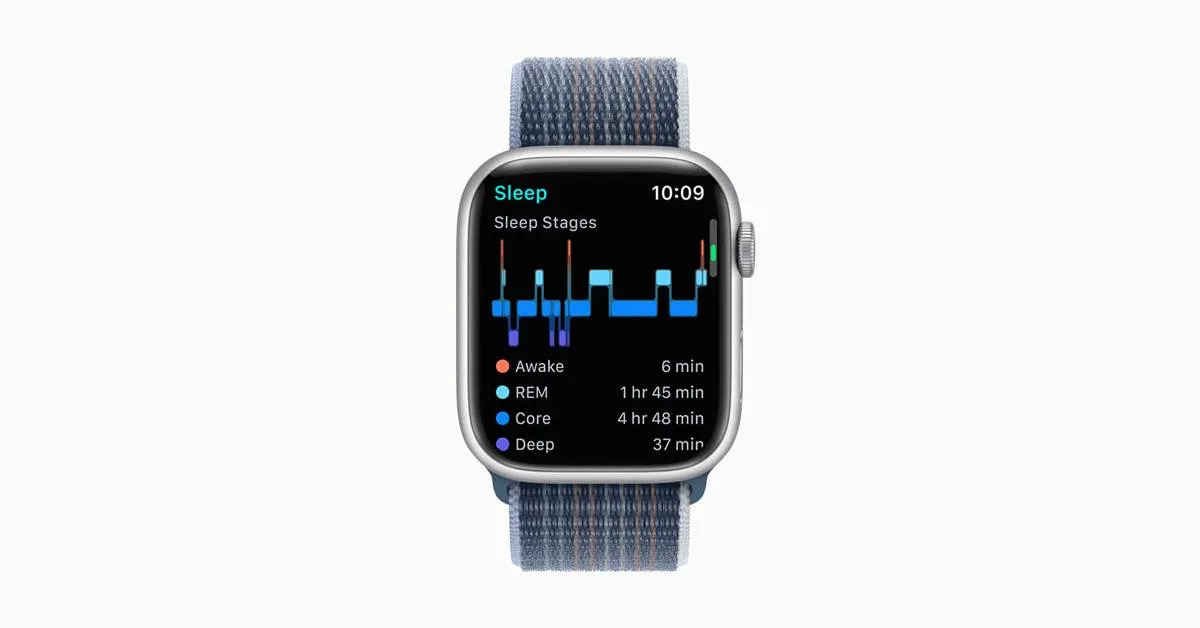
Some of the most valuable data your watch collects happens while you are fast asleep. During deep and REM sleep, your body enters a state of deep repair, free from the distractions of walking, talking, or digesting lunch.
Apple Watch HRV monitoring during sleep provides the cleanest possible reading because external variables are stripped away. When I wake up, checking my overnight numbers gives me an honest report card of how well my body recharged. If my sleep score and overnight HRV are looking great, I know I have the energy to tackle a tough day ahead.
Apple Health HRV Tracking for Workout Recovery
Are you pushing too hard at the gym, or are you ready for a personal best? This is where Apple Health HRV tracking for workout recovery shines like a beacon. Before I started tracking HRV, I used to push through fatigue, thinking more sweat always equaled better results. Now, if I wake up and see my HRV score is significantly lower than my baseline, I take it as a clear sign to swap a heavy weightlifting session for a light walk or a yoga stretch. Listening to this data has helped me avoid burnout and stay injury-free.
Read Also: Complete Guide to Apple Health Fitness Data Analytics
Best Apple Watch Apps for HRV Tracking

While the native Apple Health app is fantastic for a broad overview, the App Store features some incredible third-party tools that take your data a step further. Some popular choices like HRV Watch, Stress Monitor, and various recovery apps pull data directly from your Apple Health ecosystem to give you daily readiness scores, customized insights, and gentle reminders. Exploring these apps can give you a fresh perspective on your health journey without cluttering your screen.
Frequently Asked Questions
Can a single low HRV score mean I am sick?
Not necessarily! A single low reading can be triggered by poor sleep, a late meal, alcohol, or mild stress. However, if your score stays low for several days alongside physical symptoms, it might mean your body is fighting off an illness.
Why do my Apple Watch HRV readings jump around so much during the day?
Daytime readings happen intermittently while you are moving, talking, or drinking coffee, which naturally causes fluctuations. That is why focusing on your overnight and weekly averages is much more reliable than looking at random daytime numbers.
Can I manually take an HRV reading on my Apple Watch?
Yes! You can open the Mindfulness or Breathe app on your watch, or use the ECG app (on supported models) to take a snapshot reading whenever you want to check in with your nervous system.
Does a higher HRV always mean I am healthier?
Generally, yes, higher variability indicates a resilient, adaptable nervous system. However, abnormally erratic readings can sometimes stem from irregular heart rhythms, so always consult a healthcare professional if you notice sudden, extreme changes.
Final Thoughts: Listen to Your Body
At the end of the day, Apple Health Heart Rate Variability Tracking is an amazing tool, but it is just a guide. Your watch doesn't define how you feel—you do. Use these insights to build kinder, healthier habits, get better sleep, and tune into what your body truly needs. Take a deep breath, trust your personal baseline, and enjoy your journey toward better health!
.